
The thrill of gambling: A psychological perspective
The allure of casinos often stems from the thrill that accompanies gambling. This psychological high is a key factor in why many individuals are drawn to games of chance. The thrill comes from the potential for large wins, combined with the excitement of uncertainty. As players engage with various games, their brains release dopamine, a neurotransmitter associated with pleasure and reward. This creates a feeling of euphoria that can be addictive, driving individuals to return to the casino in hopes of recapturing that excitement. To help enhance your experience, it’s crucial to find the best real money poker sites available for new players in 2026.
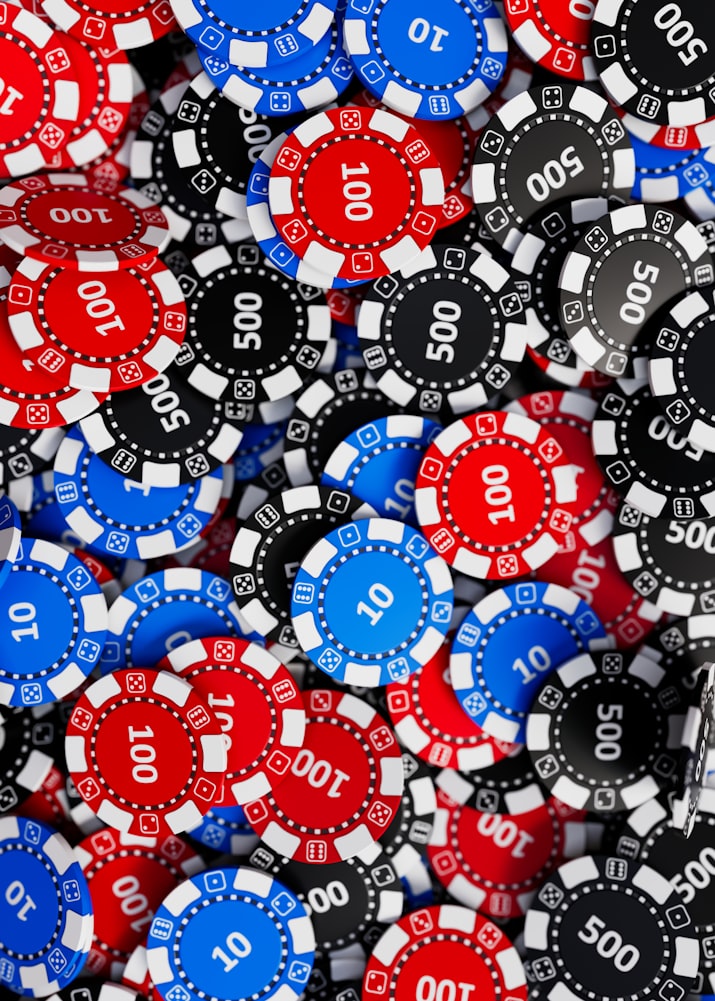
Moreover, the environment of a casino is specifically designed to enhance this thrill. Bright lights, captivating sounds, and the buzz of activity all contribute to an immersive experience. This sensory overload can lead to an altered state of consciousness where individuals may feel invincible or overly optimistic about their chances of winning, thus influencing their gambling choices. Understanding this psychological component is crucial for both gamblers and those who work in the industry.
The role of risk and reward in gambling decisions
Risk is a central theme in gambling, and how individuals perceive risk significantly affects their choices. Some gamblers are naturally inclined towards high-risk games, attracted by the possibility of substantial rewards. This behavior is often linked to personality traits such as impulsivity and sensation-seeking. On the other hand, risk-averse individuals may prefer games with lower stakes and more predictable outcomes. Their choices are influenced by a desire to maintain control and minimize potential losses. Additionally, the complexities of the gambling experience can often become intertwined with concepts such as the casino atmosphere.
Furthermore, the concept of loss aversion plays a vital role in gambling psychology. Research indicates that the pain of losing is often more intense than the pleasure of winning an equivalent amount. This can lead some gamblers to chase losses, making more risky bets in the futile hope of recouping what they’ve lost. This cycle can perpetuate gambling behavior and lead to significant financial and emotional consequences, highlighting the complexities of decision-making in the gambling environment.
The influence of social factors on gambling behavior
Social influences are paramount in shaping gambling behaviors. Individuals often gamble in groups, whether at a physical casino or online. This social interaction can amplify excitement and create a sense of belonging. Friends or family members may encourage one another to engage in various games, creating a group dynamic that can impact individual choice. Peer pressure and the desire for social acceptance can lead to riskier gambling decisions, as individuals strive to align with the group’s behavior. It’s essential to recognize how peer dynamics affect choices when pursuing entertainment at a casino.
Additionally, the advent of online casinos has transformed the social landscape of gambling. Platforms allow for interaction between players, fostering a sense of community. However, this can also lead to negative influences, as individuals may feel compelled to gamble more to fit in with their peers. Understanding how social factors interact with personal psychology is essential in comprehending the complexities behind gambling choices and behaviors.
Emotional states and their impact on gambling choices
Emotions significantly affect decision-making processes in gambling. Gamblers in positive emotional states may take more risks, believing they will continue their winning streak. Conversely, negative emotions like stress or anxiety can also drive gambling behaviors. Some individuals use gambling as a coping mechanism to escape from everyday pressures or emotional traumas, which can lead to destructive patterns of behavior.
The interplay between emotions and gambling choices suggests that casinos can capitalize on these emotional states. Promotions, music, and visual stimuli can be tailored to influence players’ emotions and, subsequently, their gambling behaviors. Recognizing the emotional triggers that drive gambling can lead to a better understanding of the psychological underpinnings of consumer choices within the gambling environment.

Conclusion: Understanding gambling choices on our website
Exploring the psychology behind casino gambling choices provides valuable insights into why individuals engage with gaming environments in specific ways. By understanding the thrill of gambling, the role of risk and reward, social influences, and emotional states, we gain a comprehensive view of gambling behavior. Our website serves as a resource for those interested in delving deeper into these topics, offering expert insights and analysis to help individuals navigate the complexities of casino gambling.
Whether you are a seasoned gambler or just curious about the psychology behind your choices, we provide the information you need to better understand this fascinating landscape. Engage with our content to equip yourself with knowledge about responsible gambling and informed decision-making strategies.